

What to Expect During a Skin Cancer Screening Appointment in Bridgewater, NJ
One in five Americans will develop skin cancer by age 70. That statistic might feel abstract until you notice a mole that looks a little different, or a spot that won’t stop changing, or a freckle that seems larger than it used to be. Suddenly, the question shifts from “should I get screened?” to “what actually happens during a skin cancer screening?”
If you’ve been searching for skin cancer screening near me or putting off that appointment because the unknown feels uncomfortable, this post is for you. I’ll walk you through every step of the screening process, from preparation to your results, so you can feel confident and prepared when you arrive for your appointment.
Why Skin Cancer Screening Matters
Skin cancer is the most common cancer in the United States, yet it is also one of the most treatable when caught early. The key word there is early. A melanoma detected in its earliest stage has a five-year survival rate of over 99%. But once it spreads to distant organs, that number drops to around 35%.
That is exactly why routine skin checks are so essential. A screening appointment is not just a quick glance at your skin. It is a systematic, trained examination designed to catch changes that you might overlook, even with the most diligent self-exams. Think of it as your skin’s annual checkup, no different from a dental cleaning or eye exam.
How to Prepare for Your Skin Cancer Screening
A little preparation goes a long way. Here is what I recommend to my patients before their skin cancer screening in Bridgewater, NJ:
- Remove all nail polish from your fingers and toes (skin cancer can develop under the nails)
- Arrive with clean skin and no makeup, foundation, or self-tanner on the areas to be examined
- Wear loose, comfortable clothing that is easy to change in and out of
- Note any spots that have changed, grown, or are new since your last visit
- Bring a list of any personal or family history of skin cancer
- Flag any moles that itch, bleed, crust, or have not healed
Preparing in this way helps your dermatologist perform the most thorough evaluation possible and ensures nothing gets overlooked.

What Happens During a Skin Cancer Screening
The Full-Body Skin Examination
When you arrive for your appointment, you will be shown to a private examination room and asked to change into a gown. Your dermatologist will then conduct a systematic, head-to-toe review of your skin. This includes your scalp, behind your ears, between your toes, the soles of your feet, and areas that rarely see the sun.
Your privacy is always a priority. You will be appropriately draped throughout the exam, and only the area being actively examined will be exposed at any given time. If you feel more comfortable having a chaperone present, that can absolutely be arranged. Our goal is for you to feel safe and respected during every moment of your visit.
The exam itself typically takes 10 to 15 minutes, though it may be longer if you have many moles or a complex skin history.
Tools and Techniques Your Dermatologist May Use
Your dermatologist may use a dermatoscope, a specialized handheld magnifying device with a polarized light source, to examine suspicious spots more closely. Dermoscopy reveals structures and patterns beneath the skin’s surface that are invisible to the naked eye. This noninvasive tool significantly improves diagnostic accuracy and helps determine whether a mole evaluation warrants further investigation.
If a spot looks concerning, your dermatologist may recommend a skin biopsy during the same visit. This involves numbing the area with a local anesthetic and removing a small tissue sample for laboratory analysis. The procedure is quick, and most patients describe it as virtually painless.
If you’ve noticed a mole that’s changed in size, shape, or color, it may be worth consulting a dermatologist about the mole before your next scheduled screening.
If your dermatologist identifies a concerning lesion, the next step may involve a skin biopsy for diagnosis, which can help confirm whether a spot is benign or requires further treatment.
How Is Skin Cancer Diagnosed?
Understanding how skin cancer is diagnosed can help ease anxiety about the screening process. Diagnosis typically involves a layered approach, with each step providing more detailed information than the last.
| Diagnostic Method | What It Involves | Purpose |
|---|---|---|
| Visual Examination | Systematic inspection of all skin surfaces by a trained dermatologist | Identify suspicious lesions based on size, shape, color, and texture |
| Dermoscopy | Magnified, polarized light evaluation of individual spots | Reveal subsurface patterns that indicate benign or malignant changes |
| Skin Biopsy | Removal of a small tissue sample under local anesthesia | Provide a definitive, laboratory-confirmed diagnosis |
A visual examination is always the first step. Your dermatologist has years of specialized training in recognizing the subtle differences between benign growths (like seborrheic keratoses or cherry angiomas) and potentially dangerous lesions. When a spot raises concern, dermoscopy and biopsy provide the additional detail needed for a definitive answer. Learning about the different types of skin cancer can help you understand why this thorough, multi-step approach is so valuable.
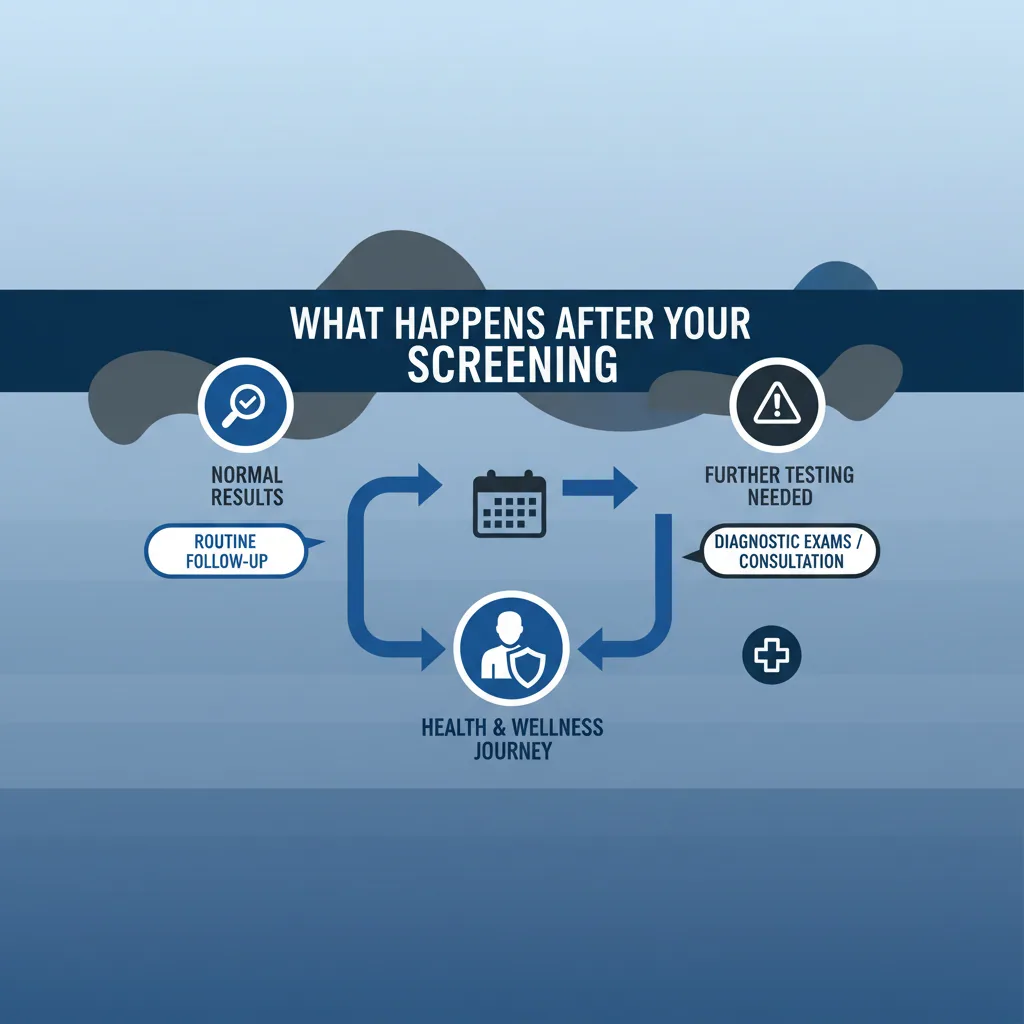
What Happens After Your Screening
If your screening reveals no concerning spots, you will receive personalized recommendations for how often to return based on your individual risk profile. Many patients are seen annually, though some with higher risk factors may benefit from visits every three to six months.
If a biopsy is performed, results typically take one to two weeks. Our team will contact you to discuss the findings and outline any recommended next steps. Should a biopsy reveal basal cell carcinoma or another form of skin cancer, advanced treatment options like Mohs surgery are available right here at our Bridgewater, NJ office. Mohs surgery offers the highest cure rate for common skin cancers while preserving as much healthy tissue as possible.
How Often Should You Be Screened?
Screening recommendations vary based on individual risk factors, so there is no single schedule that fits everyone. However, several factors may increase your need for more frequent screenings:
Between professional screenings, performing a routine skin self-check at home may help you catch concerning changes sooner.
- Personal history of skin cancer or precancerous lesions (such as actinic keratoses)
- Family history of melanoma or other skin cancers
- Fair skin, light eyes, or a history of sunburns
- History of tanning bed use
- Frequent outdoor sun exposure (think weekend hikes at Washington Valley Park or summer days along the Raritan River)
- A large number of moles or atypical moles
- A weakened immune system
“Early detection is the single most powerful tool we have against skin cancer. A 10-minute screening appointment can genuinely save your life.”
I encourage all adults, regardless of skin type, to establish a baseline skin exam with a board-certified dermatologist and follow their personalized recommendations from there. If you have one or more of the risk factors listed above, please do not wait.
Expert Skin Cancer Screening in Bridgewater, NJ
At PS Dermatology and Surgery, we provide comprehensive skin cancer screening for patients throughout Somerset County, Hunterdon County, and Middlesex County. As a fellowship-trained Mohs surgeon, I bring a level of specialized expertise to every screening, because knowing how to treat skin cancer makes me uniquely qualified to detect it at its earliest stages.
Whether you live in Hillsborough, Raritan, Branchburg, Flemington, or Piscataway, expert skin cancer screening in Bridgewater, NJ is closer than you think. Don’t let uncertainty about the process keep you from an appointment that could protect your health for years to come.
Ready to talk with a dermatologist?
Schedule a visit with our team at PS Dermatology and Surgery in Bridgewater, NJ - serving patients throughout Central New Jersey.