
What is Cryosurgery?
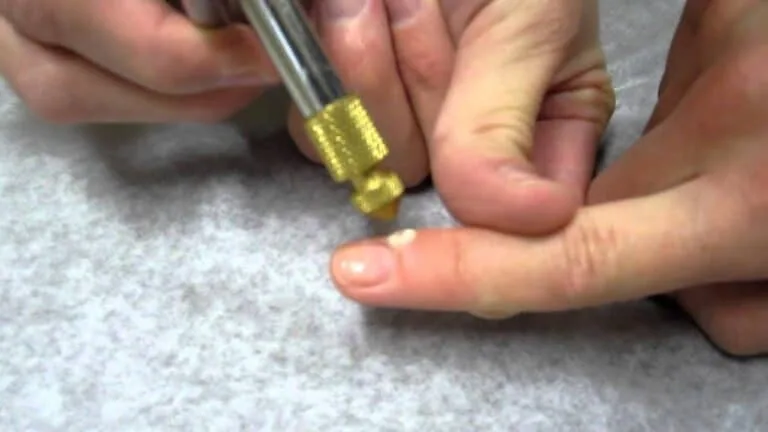
Freezing with liquid nitrogen (formally known as ‘cryosurgery’) is the most common treatment method we use in dermatology. It is done by applying liquid nitrogen with either a spray bottle or applicator swab. It works by essentially ‘frostbiting’ the treatment site which then peels away days to weeks later. Liquid nitrogen is able to do this because it is so cold (-321°F). A variety of lesions can be treated with cryosurgery – including actinic keratoses (‘precancers’), warts and wart-like growths called seborrheic keratoses.
The primary advantages of cryosurgery are that it can treat lesions faster, at less cost, and at less risk than traditional surgery (cutting). However, it has a few disadvantages:
The Application of Liquid Nitrogen is Not Painless
Although it is cold, many describe the procedure as feeling as if it is ‘burning’.
Cryosurgery Can Cause Sites to Appear Permanently Lighter in Color
Extra caution must be used when treating the face or any other cosmetically-sensitive area.
It is Only Appropriate for ‘Surface’ Lesions
In other words, it is generally not effective for the treatment of fully-developed skin cancers or ‘deep’ lesions such as large moles.
Blisters May Form After Treatment
Depending on how it is applied and the location of the treatment site, blisters may form in the days following treatment (more common on the hands and feet). Social activities or exercise may be affected for several days if treatment is done on the face, hands or feet.
Wound Care After Cryosurgery
- Because cryosurgery does not ‘break’ the skin, wound care is generally very straightforward. You can expect the treatment sites to appear slightly red and inflamed in the hours after your visit to our office. The redness should gradually fade within days, after which the area may turn slightly darker than the surrounding skin, and will eventually dry up and peel away.
- A bandage usually does not need to be applied to an intact (non-blistered/non-open) treatment site — though there is no harm in using one if you prefer.
- If a blister does form, we do not recommend that you drain it. No special wound care will be needed as long as the blister is allowed to remain intact and heals naturally.
- If a blister forms and the top peels away before the underlying skin has had a chance to heal, keep the area clean with soap and water, apply Vaseline (or antibiotic ointment), and keep covered with a Band-Aid® until healed.