
Actinic Keratosis Treatment Bridgewater NJ

Catch precancer before it spreads

We clear precancerous sun spots before they progress with cryotherapy, photodynamic therapy, prescription topicals, and in-office procedures tailored to your skin.

Actinic Keratosis in Bridgewater, NJ | PS Dermatology and Surgery

Understanding Actinic Keratosis (Sun Spots)

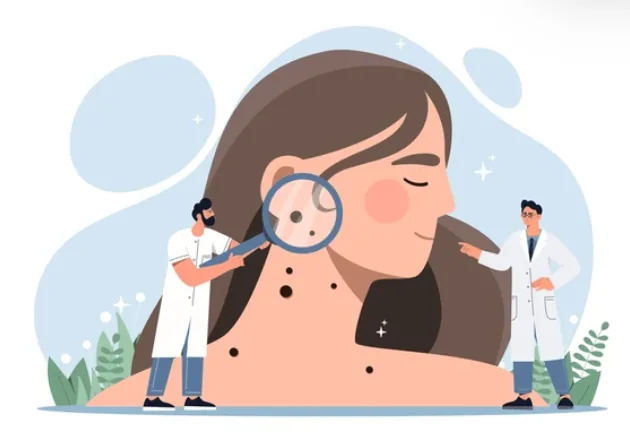
Actinic keratoses, also known as Sun Spots or AKs, are some of the most common lesions found during skin exams, and are often referred to as ‘pre-cancers’. They are caused by ultraviolet (UV) light – found in both natural sunlight and tanning bed lamps.

The estimated rate of an AK turning into skin cancer ranges from less than 1% to well over 10%. Even though that rate is low, AKs can still turn into skin cancer, and the general recommendation is to treat them rather than just monitor them.

Treatment Options for Actinic Keratosis

Topical Treatments: Done at Home

5-Fluorouracil (5-FU) / Calcipotriene

A chemotherapy / Vitamin D combination that destroys AK cells.

Imiquimod

An immune response modifier that helps the body’s immune system fight AK cells.

Tirbanibulin

Microtubule inhibitor that disrupts cell growth in AK cells.

Diclofenac Gel

A nonsteroidal anti-inflammatory drug (NSAID) that can reduce inflammation and AKs.

With all topical treatments you have to consider:
Common side effects: redness, inflammation, scaling, mild discomfort.
Less common: skin discoloration, scarring.

In-Office Procedures: Performed by the Dermatologist

Cryotherapy

Freezing AKs with liquid nitrogen.

Photodynamic Therapy (PDT)

Applying a photosensitizing solution to the skin and then exposing it to a specific type of light.

Chemical Peels

Applying a chemical solution to remove the top layers of damaged skin.

Laser Resurfacing

Using a laser to remove the top layers of skin.

With all in-office procedures you have to consider:
Common side effects: redness, inflammation, scaling, mild discomfort.
Less common: skin discoloration, scarring.

Important: Any AK treatment requires strict sun avoidance after the procedure for at least a few days.

Sun Protection Basics

Sun protection is essential to prevent AKs and reduce the risk of skin cancer:

  • Apply mineral sunscreen with an SPF of 30 or higher daily.
  • Seek shade, especially during peak sun hours (10 a.m. to 4 p.m.).
  • Wear protective clothing, including a wide-brimmed hat and sunglasses.
  • Avoid indoor tanning.

Ready to Treat Those Precancerous Sun Spots?

Early treatment of actinic keratoses is crucial to prevent skin cancer development. Our dermatology specialists provide effective removal options and ongoing monitoring to keep your skin healthy and cancer-free for years to come.

Actinic Keratosis in Bridgewater, NJ | PS Dermatology and Surgery

Frequently Asked Questions About Actinic Keratosis Treatment

What are actinic keratoses and how do they develop?

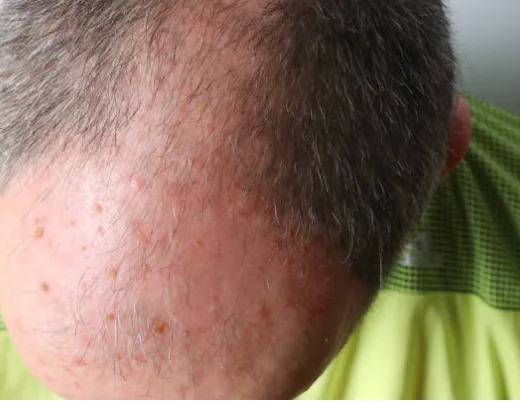
Actinic keratoses are rough, scaly spots that develop on sun-exposed areas of the skin, such as the face, scalp, hands, and arms. They form after years of cumulative sun exposure that damages skin cells, causing abnormal growth over time. Actinic keratoses are considered precancerous, meaning they can sometimes progress to skin cancer if left untreated

How do you prevent Actinic Keratosis?

Preventing actinic keratosis focuses on protecting your skin from sun damage, which is the main cause of these precancerous spots. Regular use of broad-spectrum sunscreen, wearing protective clothing, and avoiding peak sun hours can significantly reduce risk. Routine skin checks, both at home and with a dermatologist, help catch early changes before they develop into lesions.

How do you treat Actinic Keratosis?

Actinic keratoses can be effectively treated using a variety of methods, depending on the number, location, and severity of the lesions.

  • Cryotherapy (freezing) to destroy individual lesions quickly and effectively

  • Topical prescription creams that treat visible and early, unseen lesions over a larger area

  • Photodynamic therapy (PDT) using light activation to target damaged skin cells

  • Curettage or surgical removal for thicker or resistant lesions

Dr. Patel will recommend the most appropriate treatment to reduce the risk of progression to skin cancer.

Call PS Dermatology 732-443-3975