Fellowship-Trained Mohs Surgeon in Bridgewater, NJ
When a skin cancer is diagnosed, the surgeon you choose shapes both the medical outcome and the cosmetic result. Mohs micrographic surgery offers some of the highest reported cure rates for many non-melanoma skin cancers, but not every clinician offering the procedure has completed the same level of training. Patients across Somerset, Hunterdon, and Middlesex counties often ask what "fellowship-trained" really means and why it matters. This guide walks through the credentials, the training pathway, and the questions worth asking before scheduling treatment in central New Jersey.
What Is a Fellowship-Trained Mohs Surgeon?
A fellowship-trained Mohs surgeon is a board-certified dermatologist who has completed one to two additional years of specialized, ACMS-accredited training focused exclusively on Mohs micrographic surgery, dermatopathology, and reconstructive technique. At PS Dermatology and Surgery in Bridgewater, NJ, fellowship credentials are central to how our team approaches skin cancer treatment.
Defining the ACMS Fellowship
The American College of Mohs Surgery accredits a limited number of fellowship programs each year. Acceptance is competitive, and trainees perform hundreds of supervised cases under expert mentorship. To find a fellowship trained Mohs surgeon NJ patients can trust, families often start by verifying that the physician completed an ACMS-accredited program rather than a shorter preceptorship.
Years of Additional Training Explained
After four years of medical school and three years of dermatology residency, an ACMS fellowship adds 12 to 24 months of focused Mohs and reconstruction experience. That is roughly nine to ten years of post-college medical training before independent practice. Always confirm a provider's credentials with their office before scheduling treatment.
Standard Dermatology vs. Fellowship-Level Expertise
General dermatologists may perform Mohs procedures, but fellowship-trained specialists typically complete dramatically higher case volumes and receive structured training in advanced reconstruction and on-site pathology. This depth of preparation can meaningfully influence outcomes.
Surgical Case Volume
During a single fellowship year, trainees commonly participate in more than a thousand Mohs cases. A general dermatologist who occasionally performs the procedure may complete a small fraction of that volume across an entire career. Higher repetition is associated with refined technique, efficient mapping, and pattern recognition for unusual tumor behavior. Understanding the role of Mohs surgery in skin cancer can help patients evaluate whether their provider's training matches the complexity of their case.
| Training Element | General Dermatologist | Fellowship-Trained Mohs Surgeon |
|---|---|---|
| ACMS-accredited fellowship | Not required | Required |
| Annual Mohs case volume | Variable | High |
| In-office dermatopathology | Limited | Standard |
| Advanced reconstruction training | Minimal | Comprehensive |
Reconstructive and Pathology Skills
Fellowship rotations include dermatopathology and facial reconstruction. Trainees learn flap and graft techniques used to repair surgical defects on cosmetically sensitive areas like the nose, ears, and lips. Discuss reconstruction options with your dermatologic surgery provider during consultation.
How Advanced Training Impacts Your Skin Cancer Outcome
Fellowship-level training is associated with high cure rates, maximum tissue preservation, and careful cosmetic results, particularly for tumors located on the face, scalp, and hands.
Cure Rates and Precision
Research suggests that Mohs micrographic surgery may achieve cure rates approaching 99 percent for previously untreated basal cell carcinoma and approximately 97 percent for many squamous cell carcinomas, according to the American Academy of Dermatology. Effective basal cell carcinoma treatment depends on careful margin evaluation, which fellowship-trained surgeons perform layer by layer using same-day frozen sections. Outcomes vary by tumor type and individual patient factors, so always discuss realistic expectations with your provider.
Tissue Preservation and Margins
Because Mohs removes only confirmed cancerous tissue, healthy surrounding skin is preserved. This precision is particularly valuable in functionally and aesthetically sensitive areas. Patients curious about Mohs surgery cost in Bridgewater can review insurance coverage and financial expectations during their initial consultation.
Board Certification and ACMS Membership: Credentials That Count
Board certification in dermatology combined with American College of Mohs Surgery membership signals that a physician has met both general dermatologic and Mohs subspecialty standards. New Jersey patients are encouraged to verify both credentials before scheduling treatment.
Patients deserve to know exactly who is operating on their skin. Verifying board certification and fellowship status takes only a few minutes and can meaningfully inform the care experience.
Verifying Dermatology Board Certification
The American Board of Dermatology certifies dermatologists who have completed accredited residency training and passed rigorous examinations. Patients can verify a physician's status through the American Board of Medical Specialties at CertificationMatters.org. Ongoing recertification requirements help support continued clinical competency.
Why ACMS Membership Matters
ACMS membership is reserved for physicians who completed an accredited Mohs fellowship. The college maintains training standards, continuing education, and a public physician directory. Membership signals sustained commitment to the subspecialty rather than occasional practice. Talk to your provider about their training pathway and ongoing education before beginning treatment.
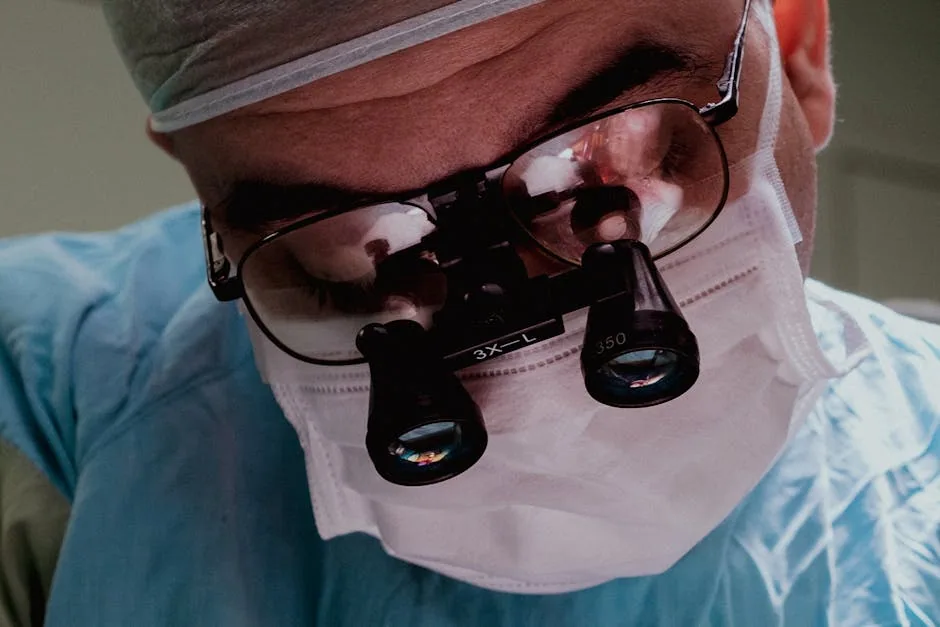
The Advantage of a Local Board Certified Mohs Surgeon in Bridgewater
Choosing a nearby fellowship-trained specialist supports continuity of care, simplifies follow-up scheduling, and reflects familiarity with central New Jersey referral networks.
Continuity of Care Close to Home
Skin cancer surveillance often spans many years. Working with a local provider means lab coordination, post-surgical wound checks, and biopsy follow-ups happen close to home. Dr. Parth Patel's Mohs services are based at our Bridgewater practice, with patients traveling from across Somerset, Hunterdon, and Middlesex counties. Discuss your individual follow-up plan during your initial visit.
Coordinated Follow-Up and Surveillance
A Mohs surgeon practicing in the Bridgewater area can coordinate directly with your general dermatologist, primary care provider, and imaging facilities. This continuity reduces administrative friction and helps ensure that suspicious lesions identified during routine skin checks are addressed promptly. Consult your healthcare team about how frequently surveillance visits should occur after Mohs treatment.
Questions to Ask When Evaluating a Mohs Surgeon in NJ
A focused list of vetting questions helps patients distinguish among providers and make confident, informed decisions about their dermatologic surgery care.
Training and Case Volume
Helpful questions include:
- Did you complete an ACMS-accredited fellowship?
- How many Mohs cases do you perform annually?
- Are you a member of the American College of Mohs Surgery?
- How many years have you practiced Mohs surgery independently?
When evaluating a board certified Mohs surgeon Bridgewater patients can trust, families often also ask about case mix, including experience with recurrent tumors and high-risk anatomical sites.
In-Office Pathology and Reconstruction
Additional questions worth raising:
- Is pathology processed on-site the same day?
- Who performs reconstruction after tumor removal?
- What flap or graft techniques are routinely offered?
- How are after-hours complications managed?
These details help clarify whether the practice is equipped for full-service Mohs care under one roof. Always raise specific concerns with your physician before treatment begins.
Finding a Trusted Fellowship-Trained Mohs Surgeon Near You
Patients searching for a Mohs surgeon near me can use trusted directories, professional referrals, and credentialing databases to identify qualified specialists across New Jersey.
Using ACMS and Trusted Directories
The ACMS "Find a Surgeon" tool at MohsCollege.org lists fellowship-trained members by zip code. The American Academy of Dermatology directory and the American Board of Medical Specialties database are also useful starting points. Cross-check credentials, hospital affiliations, and patient reviews before scheduling treatment.
Referrals from Your Dermatologist
Your general dermatologist is often the first clinician to identify a suspicious lesion and recommend Mohs surgery. Ask directly for referrals to fellowship-trained colleagues whose work they trust. Many central New Jersey dermatologists refer regularly to a small group of specialists, and those professional relationships often reflect strong outcomes and seamless coordination of care.
At PS Dermatology and Surgery in Bridgewater, NJ, our team combines fellowship training, ACMS membership, and on-site pathology to deliver comprehensive Mohs care for residents across Somerset, Hunterdon, and Middlesex counties. Dr. Patel is both a general dermatologist and a fellowship-trained mohs surgeon. If you have received a skin cancer diagnosis or your dermatologist has recommended Mohs surgery, our experts are ready to guide you through every step of evaluation, treatment, and reconstruction.
Sources
- American Academy of Dermatology
- American Board of Medical Specialties (CertificationMatters.org)
- American College of Mohs Surgery
Frequently Asked Questions
What does "fellowship-trained" mean for a Mohs surgeon?
A fellowship-trained Mohs surgeon is a board-certified dermatologist who has completed one to two additional years of ACMS-accredited training focused on Mohs micrographic surgery, dermatopathology, and reconstruction. This specialized education may help surgeons manage complex cases with greater precision. Patients should always confirm credentials directly with the physician's office before scheduling.
How does ACMS fellowship training differ from a shorter preceptorship?
ACMS-accredited fellowships require 12 to 24 months of immersive training with hundreds of supervised cases, formal dermatopathology instruction, and reconstructive practice under expert mentorship. Shorter preceptorships may offer far less structured oversight and case volume. Research suggests this depth of training correlates with surgical experience, though patients should discuss individual qualifications with their doctor.
How many years of training does a fellowship-trained Mohs surgeon complete?
A fellowship-trained Mohs surgeon typically completes four years of medical school, three years of dermatology residency, and 12 to 24 months of ACMS fellowship training. That adds up to roughly nine to ten years of post-college medical education before independent practice. Confirming this pathway with a provider's office helps verify their credentials.
How can New Jersey patients verify a Mohs surgeon's fellowship credentials?
New Jersey patients can verify Mohs surgeon credentials by checking the American College of Mohs Surgery member directory and confirming board certification in dermatology. Families across Somerset, Hunterdon, and Middlesex counties may also call the office directly to ask about fellowship completion. Talk to your doctor or consult your provider if anything seems unclear.
Why might fellowship training matter for cosmetic outcomes?
Fellowship training emphasizes reconstructive technique alongside tumor removal, which may help surgeons balance cure rates with cosmetic results. Trainees perform hundreds of supervised closures and flap repairs during their ACMS fellowship. Research suggests this preparation can support both medical and aesthetic goals, though individual outcomes vary and should be discussed with your provider.
What is the reported success rate of Mohs surgery?
Mohs micrographic surgery offers some of the highest reported cure rates for many non-melanoma skin cancers, according to published research. The technique allows real-time margin evaluation during the procedure. Actual outcomes depend on tumor type, location, and patient factors, so patients should consult their dermatologist about what success rates may apply to their situation.
Ready to talk with a dermatologist?
Schedule a visit with our team at PS Dermatology and Surgery in Bridgewater, NJ - serving patients throughout Central New Jersey.